

In 2014, Comcast subscribers noticed Netflix loading slowly — buffering, dropping quality, sometimes refusing to connect. It wasn’t an accident. Comcast was throttling Netflix traffic until Netflix paid for a direct connection deal. That single documented case showed the world what the internet looks like without rules forcing equal treatment. That’s exactly what net neutrality was designed to prevent — and as of 2026, those rules no longer exist at the federal level.
That’s the internet without net neutrality. And understanding what exactly is net neutrality — and what’s happened to it — matters more right now than at almost any point in the last decade.
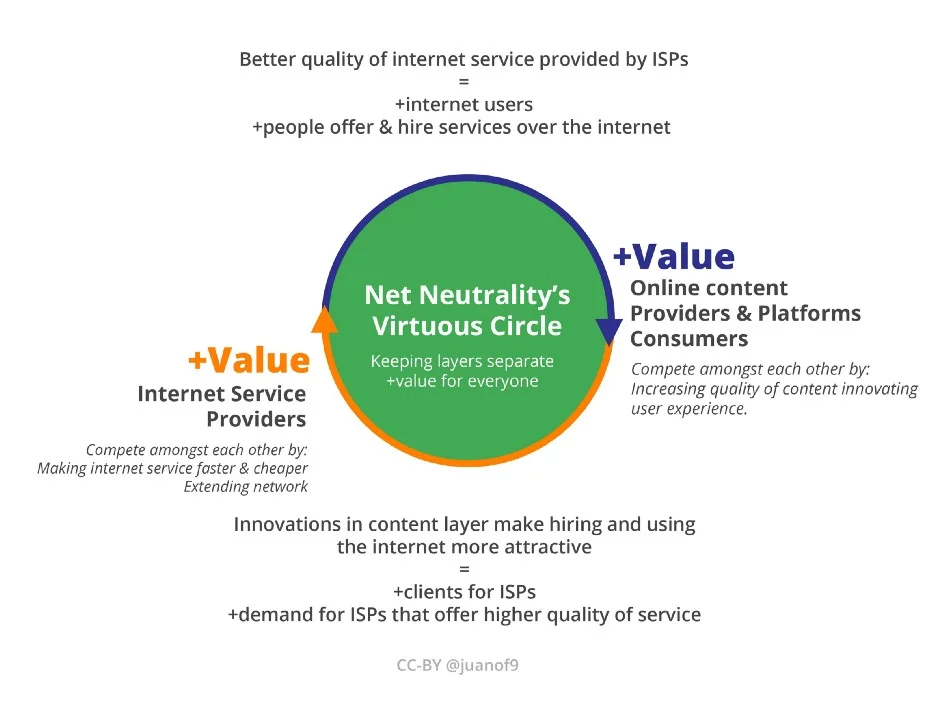
Net neutrality, sometimes called network neutrality, is the principle that internet service providers must treat all internet communications equally, offering users and online content providers consistent transfer rates regardless of content, website, platform, application, or method of communication. No fast lanes for companies that pay more. No throttling for services an ISP doesn’t like. Everyone gets the same road.
That idea sounds simple. The politics around it are anything but.
What Exactly Is Net Neutrality in Plain Terms?
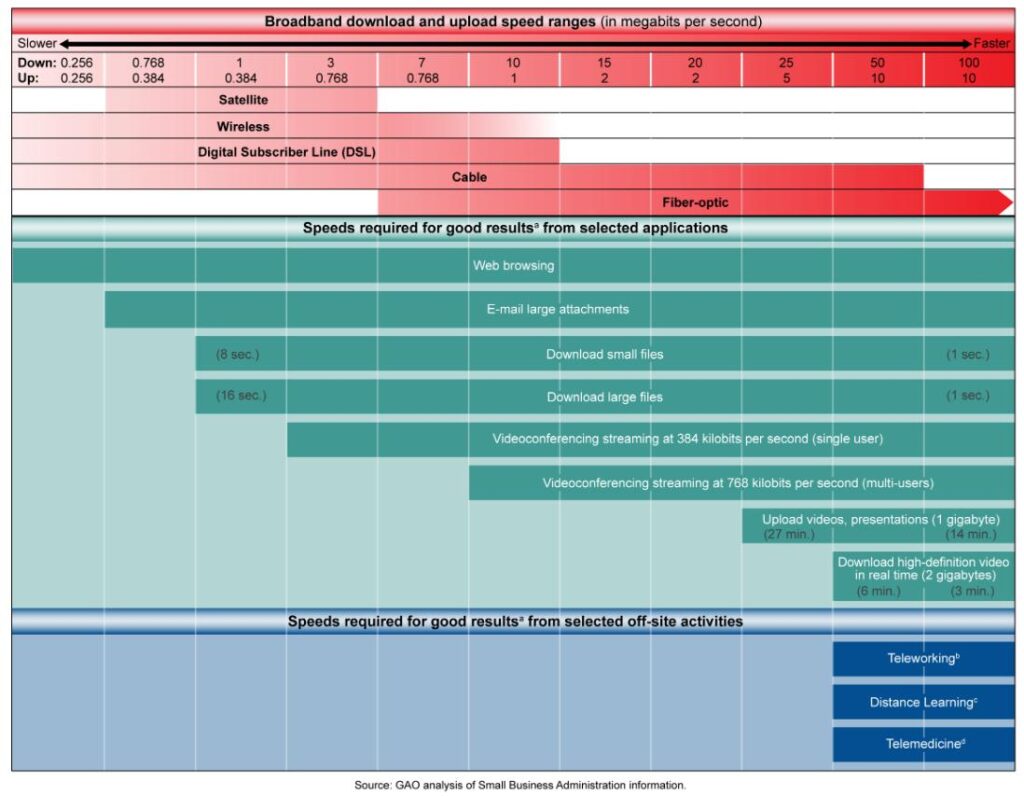
Fight for the Future, Public domain, via Wikimedia Commons
Forget the policy language for a moment. Here’s what this actually means for someone sitting at home loading a streaming service or opening a small business website.
Without net neutrality, internet service providers could slow down your connection to Netflix or Zoom, or speed up a connection to their own favored streaming or video conferencing site — giving them control over what people see and do online, not the consumers who pay for their connections.
The three core prohibitions net neutrality rules typically include are:
- Blocking — ISPs can’t outright prevent access to lawful websites or services
- Throttling — ISPs can’t deliberately slow down specific apps or platforms
- Paid prioritization — ISPs can’t create a “fast lane” where one service loads faster because it paid for the privilege
These principles protect internet freedom and foster an open digital ecosystem where users, not corporations, dictate what they see and do online.
And here’s what’s interesting: the concept isn’t new at all. The ideas underlying net neutrality have a long history. Services like telegrams and later the telephone were considered common carriers, and providers weren’t allowed to discriminate — the telephone company was prohibited from blocking or deprioritizing calls to business competitors that a consumer wanted to contact.
The internet inherited that logic. For a long time, it just ran that way by default.
Where the Term Came From — and Why It Took Off
The term was coined by Columbia University media law professor Tim Wu in 2003 as an extension of the longstanding concept of a common carrier.
Wu’s argument was straightforward: broadband providers were gaining enormous control over what Americans could access online, and without rules forcing neutrality, they’d start using that control for profit. Critics dismissed it as alarmist. Then the documented cases of ISP interference started piling up.
The concept really took off in the early 2000s with the advent of broadband internet connections. The US went from having thousands of dial-up ISPs to a much smaller number of broadband cable and telephone carrier ISPs with greater incentive to limit competing services.
Fewer providers. More market power. More reason to regulate.
The Timeline: Passed, Repealed, Restored, Struck Down
Federal Communications Commission, Public domain, via Wikimedia Commons
This is where the story gets genuinely turbulent.
In 2015, the FCC produced net neutrality rules — including bright-line prohibitions against blocking, throttling, and paid prioritization of internet traffic — following intense public activism, with millions of users demanding the FCC get it right and issue rules that would actually hold up in court.
Those rules held for two years — until a new FCC chairman, appointed under a different administration, made repealing them his first major priority.
The FCC, under new leadership, voted to repeal the 2015 Open Internet Order. Critics argued that repealing the rules handed too much power to ISPs, giving them the ability to block, throttle, or prioritize certain websites or services for financial gain.
In 2024, broadband was reclassified to Title II again under the Biden-era FCC. The Sixth Circuit struck those rules down in 2025. As of 2026, broadband is back under Title I — and the underlying classification question won’t be stable until Congress resolves it through legislation, because court and agency decisions remain perpetually reversible.
So the full timeline looks like this: 2015, rules established. 2017, repealed. 2024, reinstated. 2025, struck down again. Net neutrality has had a turbulent decade — passed, repealed, reinstated, and struck down again depending on who controlled the FCC.
What Exactly Is Net Neutrality’s Impact When It’s Gone?
When net neutrality rules were first repealed, many feared immediate and drastic changes to internet service. However, the impact has been more subtle than catastrophic. ISPs have faced significant public scrutiny, strong state-level laws have prevented dramatic changes in some jurisdictions, and the uncertain regulatory environment made ISPs cautious about moves that might later be ruled illegal.
But subtle doesn’t mean harmless.
Without these protections, some ISPs implemented zero-rating plans excluding certain apps from data charges, and instances of throttling have been documented and led to legal action.
By the second quarter of 2025, AT&T had implemented traffic prioritization agreements with Disney+ and Microsoft’s Xbox Cloud, altering latency rates for competitors on the same infrastructure.
Anyone who has managed a startup competing for digital attention knows exactly what that shift means. Paying for a “fast lane” isn’t just a technical advantage — it’s a structural one that compounds over time.
The Argument on Both Sides — Honestly Laid Out
Net neutrality isn’t a clean good-vs-evil story. There are real arguments on both sides, and pretending otherwise doesn’t help anyone.
The case for net neutrality:
Net neutrality advocates argue that websites like YouTube, Netflix, or Facebook would never have become what they are now without it. Internet traffic would’ve been dominated by corporations who paid ISPs for fast lanes to eliminate smaller competitors. It also helps ensure free speech — if the internet is treated equally, ISPs can’t control what content is accessible or censor opinions.
The case against:
Opponents argue that net neutrality regulations are unnecessary because the internet developed well without them, that they create burdensome regulations, reduce investment in internet services, and may result in less access and higher costs for consumers.
ISPs also argue that without differentiated services, they can’t build the revenue streams needed to expand networks into underserved areas. Whether that’s genuine concern or convenient cover is a debate that’s been running for years with no clean resolution.
What the Research Shows
The pattern emerging from documented cases of throttling and zero-rating through 2025 and into 2026 consistently points to the same outcome: large, well-capitalized platforms absorb the cost of prioritization deals. Smaller services, independent publishers, and new entrants can’t.
For consumers, net neutrality guarantees fair access to information and services regardless of income or location. For businesses and startups, it enables a level playing field, preventing larger corporations from using financial leverage to dominate. For democracy, it upholds the free flow of information essential for informed decision-making and civic engagement.
Industry analysts tracking broadband regulation consistently note that the absence of federal rules creates a patchwork problem — where your internet experience increasingly depends on which state you live in, not just which ISP you’ve chosen.
Zero-Rating: The Quiet Workaround Nobody Talks About
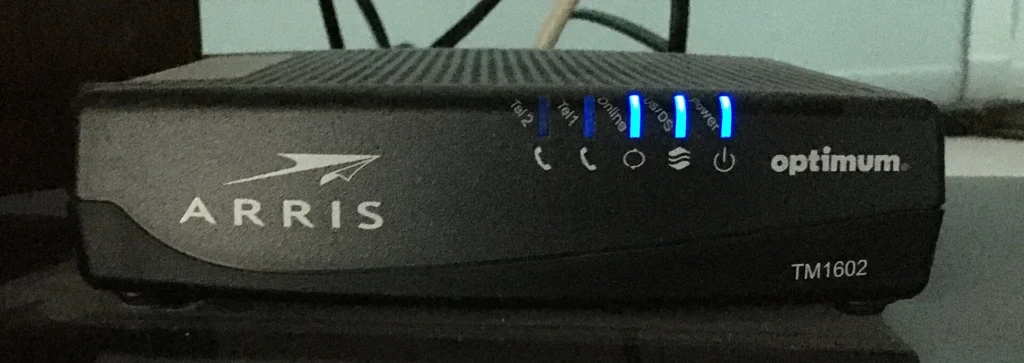
Jonathan Schilling, CC BY-SA 4.0, via Wikimedia Commons
Zero-rating sounds harmless. Your ISP says certain apps — usually their own streaming service or a partner platform — won’t count against your data cap. Free data, right? Not exactly.
Anyone who has watched this practice play out in real markets knows what it actually does. It steers users toward ISP-preferred platforms not through blocking or throttling, but through financial incentive. Why stream a competitor’s service when it eats your data cap, while the ISP’s own app runs free?
This is the most active form of net neutrality circumvention in 2026 — subtle enough to avoid public outrage, commercially significant enough to reshape which platforms people actually use. California’s net neutrality law explicitly bans it. Most states don’t. That gap is where ISPs are operating right now, and it’s largely invisible to the average consumer.
How the World Handles This Differently
Net neutrality is enforced in countries including Canada, Brazil, Chile, Belgium, and India, while it remains not enforced in Australia, China, Argentina, Bangladesh, and — as of the latest regulatory cycle — the United States at the federal level.
The European Union has maintained net neutrality rules as part of its Open Internet Regulation since 2016, and those rules have remained stable. The contrast with the US cycle of passage-repeal-passage-repeal is striking.
Where Things Stand Right Now in 2026
As of early 2026, no net neutrality legislation has passed Congress. Multiple bills have been introduced, including variations on the Save the Internet Act, but none have cleared both chambers. The legislative path remains the most significant unresolved question for the future of internet regulation.
Congress holds the only key to a permanent fix — and as of mid-2026, that door remains firmly shut. No legislation has cleared both chambers, and without a stable federal law, the entire debate stays locked in the same cycle of agency rules, court challenges, and reversals that has defined the last decade.
California’s net neutrality law remains the strongest at state level, explicitly banning zero-rating as part of its framework. Most states don’t address it. That gap is exactly where the real action is happening right now.
Who Should Actually Pay Attention to This
Small business owners building an online store or content platform are competing on infrastructure where their largest rivals can now pay for faster delivery. That’s not a level playing field — it’s a structural disadvantage built into the network itself.
Content creators and independent publishers face the same wall. A YouTube or Spotify can absorb a prioritization deal. A new podcast platform or indie news site can’t. Slower load times mean higher bounce rates, lower ad revenue, and slower growth — even if the content is better.
Everyday consumers in states without net neutrality protections are already operating under transparency-only rules. No blocking, technically — but zero-rating, throttling, and paid prioritization are all legally permissible where they live.
Students and researchers relying on open access to academic resources, independent journalism, and government databases have the most to lose if ISPs start deprioritizing non-commercial traffic. The internet as an educational equalizer only works if access stays equal.
FAQs
Q1: What exactly is net neutrality in simple terms?
Net neutrality is the rule that your internet provider must treat all websites and services equally — no slowing down some, no speeding up others, no blocking anything lawful. Everyone gets the same connection quality regardless of who they are or who’s paying.
Q2: Does net neutrality still exist in the US in 2026?
No, not at the federal level. The Sixth Circuit struck down the FCC’s reinstated rules in January 2025, returning broadband to Title I classification. Some states like California have their own protections, but there’s no national standard currently in force.
Q3: What happens to internet speeds without net neutrality?
ISPs can legally throttle specific services, enter paid prioritization agreements with large platforms, and implement zero-rating plans. Smaller websites and services that can’t pay for fast-lane treatment may load noticeably slower than their larger, better-funded competitors.
Q4: Is net neutrality enforced anywhere in the world?
Yes. Canada, Brazil, India, Chile, Belgium, and the European Union all enforce net neutrality rules. The US is notably absent from that list at the federal level as of 2026.
Q5: Can net neutrality come back in the US?
Yes, but only through congressional legislation rather than FCC rulemaking — since court challenges have repeatedly struck down agency-level rules. Multiple bills have been introduced but none have passed both chambers as of mid-2026.
