
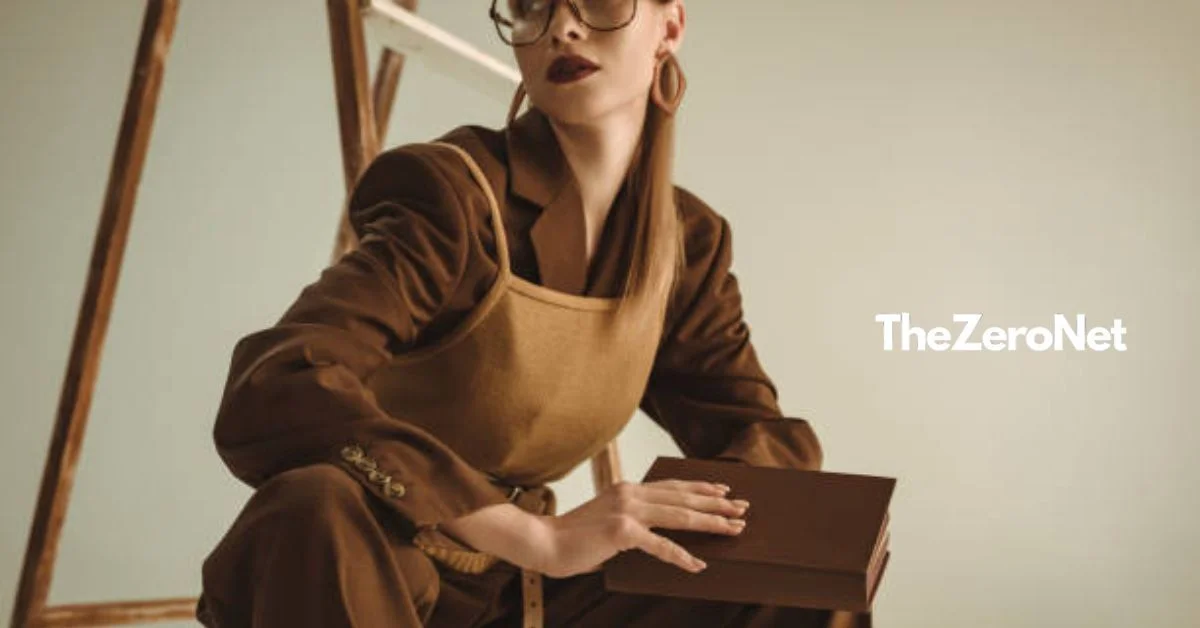

Books and runways don’t seem like natural companions. One lives in quiet libraries, the other in blinding flashbulbs and front rows. But something genuinely unexpected has happened in 2026: reading about fashion has become fashion itself.
The trend now has a name — literary chic — and it’s showing up everywhere from Dior tote bags to Celine runway shows. Vogue defined literary chic as a fashion trend combining preppy clothing, literary references, and intellectual flair, while brands like Celine, Tory Burch, Wales Bonner, and Miu Miu advocated for dressing like a stylish English major. If you’ve been quietly reading about fashion for years, the industry has finally caught up with you.
How Reading About Fashion Actually Changes How You Dress
Most people discover their style through scrolling. Fashion-literate people discover it differently — through context, history, and the kind of slow-burn understanding that only comes from actually reading about fashion.
There’s a real difference between knowing what’s trending and knowing why it’s trending. Anyone who has spent time reading fashion criticism, designer interviews, or industry retrospectives understands this gap immediately. A jacket isn’t just a jacket when you know it references a 1968 Balenciaga silhouette or a specific subculture in post-war London.
Spring/summer 2026 brought some of the most creatively astonishing collections in years, with a mood shift away from highly structured tailoring toward a softer, more romantic aesthetic — sheerness, crochet dresses, and delicate organza pieces defining the season. A person reading about fashion seriously could see this shift coming months before it hit high streets. Trend forecasters noticed it first in archive dressing habits, runway commentary, and the cultural undercurrent of “quiet luxury fatigue.
Reading builds that eye. It’s the difference between reacting to trends and anticipating them.
What the Research Shows About Fashion and Cultural Intelligence
The relationship between reading about fashion and genuine cultural literacy is stronger than most people realize.
According to the BoF-McKinsey State of Fashion 2026 report, wellbeing has become central to how consumers live, spend, and define themselves — with fashion brands actively responding by integrating wellness into their identity. That shift didn’t happen randomly. It emerged from years of critical fashion writing, cultural commentary, and readers pushing back against the idea that clothing is purely superficial.
Fashion literature — whether that’s long-form journalism, designer autobiographies, or academic fashion theory — consistently surfaces trends before they materialize on shelves. Industry analysts note that the most trend-aware consumers aren’t necessarily the most online. They’re often the most well-read. Publications like Business of Fashion, Porter, and System Magazine have cultivated audiences who treat fashion as seriously as architecture or contemporary art.
Trend forecasters tracking 2026 collections noted that the pendulum had visibly swung away from seasons of minimalism and muted palettes, with the spirit of expressive dressing returning across major collections. That observation came from people who read fashion — not just wore it.
Literary Chic: When Reading About Fashion Becomes the Look Itself
Here’s where things get genuinely interesting for 2026.
Starting in 2025, numerous high fashion houses leaned into literature directly. The Celine Spring 2026 show featured a Fiona Apple soundtrack and writers Ottessa Moshfegh and Miranda July seated in the front row, while Dior released its Book Tote adorned with literary references to works like Madame Bovary and Les Fleurs du Mal.
This isn’t a casual coincidence. Fashion houses are deliberately signaling intellectual credibility through literary association. Elle Fanning and other celebrities decorated their bags with book-shaped charms during the Fall 2026 fashion season, making the act of reading — or at least its visual language — into a style statement.
The aesthetic borrows from dark academia and poetcore but steps further into something more self-assured. Where dark academia leaned into atmospheric gloom, literary chic leans into the confidence of someone who actually reads. Think tailored blazers, serious tote bags, wire-frame glasses worn on purpose, and the kind of restrained palette that says “I have opinions about the Paris Review.”
Book-themed fashion is gaining real traction among book lovers, students, librarians, and teachers — with library-themed clothing becoming a way for readers to signal that their hobby is a genuine identity, not an afterthought.
The Best Ways to Start Reading About Fashion Right Now
If you want to go deeper than Instagram mood boards, the entry points are excellent in 2026.
Start with industry journalism. Business of Fashion, Vogue Runway, and AnOther Magazine publish analytical pieces that go well beyond trend lists. These aren’t shopping guides — they’re cultural criticism with real depth.
Move into fashion history. Books like The Anatomy of Fashion by Colin McDowell or Valerie Steele’s extensive academic work on clothing and culture give you the historical scaffolding to understand why 2026’s soft romanticism feels like a correction rather than a coincidence.
Read designer interviews. Raf Simons, Rei Kawakubo, Grace Wales Bonner — the way designers talk about their work reveals the intellectual framework behind every collection. Most interviews are freely accessible in archived magazine features.
Follow fashion criticism. Critics like Cathy Horyn at The Cut and Tim Blanks at Business of Fashion write with the kind of earned authority that makes runway season genuinely interesting to follow, not just aesthetically but intellectually.
Fashion as a hobby doesn’t require large financial investment — you can research fashion throughout different eras, become an expert on a particular style or decade, and build real knowledge without buying a single new piece. The reading itself is the point.
Spring and Summer 2026: What Well-Read Fashion Watchers Are Noticing
The current season rewards exactly the kind of attention that reading builds.
Spring 2026 brought an unconventional energy across categories — from lingerie-inspired dressing to retro windbreakers and military jackets — with designers genuinely pushing for more expressive, outside-the-box thinking.
Trend data from Heuritech forecast a strong rise in lace skirts with an expected 20% growth in the EU, alongside palazzo pants surging 37% and thong sandals growing 49% among women — reflecting a move toward deliberate, considered femininity rather than minimalist default dressing.
Fringe has returned for 2026 but not in its festival-era form — designers including Chanel and Bottega Veneta are using it as a finishing detail that adds texture and depth rather than spectacle, reinforcing the idea that clothes don’t need to be loud to be expressive.
Each of these shifts makes more sense when you’ve read fashion. The return of lace isn’t random — it follows a documented pattern of post-minimalism correction that fashion historians have tracked across multiple cycles. The fringe restraint reflects a broader conversation about maximalism fatigue that’s been playing out in fashion criticism for two seasons.
Why This Matters Beyond the Wardrobe
Reading about fashion is also, quietly, reading about culture.
Fashion criticism at its best is social commentary. It tracks gender, class, politics, and collective anxiety through the things people choose to wear. The conversation around sustainability in fashion, for instance, has been shaped almost entirely by journalism and academic writing — not by runway shows.
Fashion and hobbies often go hand-in-hand, shaping personal style in ways people don’t always consciously notice — the most memorable fashion blends worlds, creating a language of lifestyle that goes beyond fabric and trend cycles.
That’s exactly what reading about fashion makes possible. It turns passive consumption into active literacy. And in 2026, with literary chic making that literacy visible on the runway itself, it’s never been a better time to take the reading seriously.
Key Findings
- Literary chic is now a documented, named 2026 fashion trend appearing across Dior, Celine, Miu Miu, and Tory Burch collections
- Fashion reading builds trend anticipation rather than trend reaction — well-read consumers consistently spot shifts earlier
- The BoF-McKinsey 2026 report confirms a structural shift in how identity and fashion intersect, driven by cultural and critical discourse
- Lace, soft romanticism, and expressive dressing are the dominant Spring/Summer 2026 themes, all trackable through fashion writing months before they arrived in stores
- Book-themed accessories and literary references in luxury fashion have accelerated significantly from Spring 2025 through Fall 2026
FAQs
1. What does “literary chic” mean in fashion?
Literary chic refers to a fashion aesthetic that combines intellectual references — books, literary figures, classic texts — with preppy, restrained clothing. It gained significant traction across major fashion houses in 2025-2026, with brands like Dior and Celine incorporating direct literary references into their collections.
2. How does reading about fashion improve personal style?
Reading fashion criticism and history gives context to trends rather than just awareness of them. It builds the kind of visual literacy that allows you to develop a coherent personal aesthetic rather than simply chasing whatever is currently visible on social media.
3. What are the best publications for someone who wants to start reading about fashion seriously?
Business of Fashion, Vogue Runway, AnOther Magazine, and The Cut’s fashion section offer strong analytical content. For books, start with fashion history titles and designer autobiographies before moving into academic fashion theory.
4. Is following fashion trends the same as having personal style?
Not really. Personal style is built over time through observation, reading, and self-awareness. Trend-following is reactive; genuine style is more deliberate. Reading about fashion consistently is one of the most reliable ways to move from one to the other.
5. Why are fashion houses referencing books and literature in 2026?
It reflects a broader cultural moment where intellectual credibility and considered consumption have become desirable signals. After years of fast fashion and algorithm-driven trends, luxury houses are positioning depth and cultural awareness as genuine selling points — and literary references are a direct expression of that shift.
