
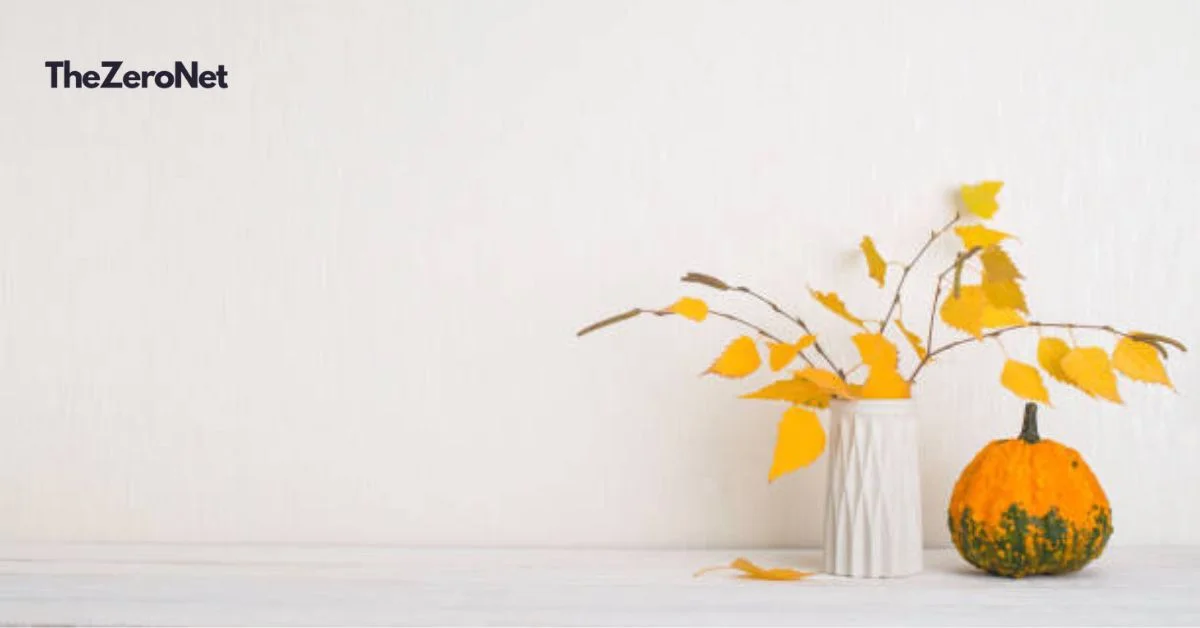

There’s a moment most people recognise — walking into a room and feeling something shift. Not because of the sofa or the paint colour, but because of something quieter sitting in the corner. A few bare branches in a ceramic vase. Simple. Deliberate. Oddly beautiful. That’s pyntekvister doing its work, and in 2026, it’s doing that work in homes far beyond Scandinavia.
Pyntekvister is a Norwegian compound word: “pynte” means to decorate or adorn, and “kvister” means twigs or branches. Put them together and you get something that Nordic households have quietly practised for centuries — bringing natural branches indoors, especially during the long winter months when fresh flowers were unavailable but the desire for natural beauty inside the home remained constant.
It sounds minimal. Because it is. And that’s exactly the point.
What Pyntekvister Actually Means — and Why It’s More Than Just Branches
The concept of pyntekvister originated in Nordic countries, particularly Norway, where people have long used natural elements as part of everyday home décor. Traditionally, branches were collected from nearby forests, gardens, or fields and arranged inside homes to reflect the changing seasons.
This wasn’t decoration for decoration’s sake. In Scandinavian culture, nature is seen as something to live with, not separate from, and pyntekvister grew from this philosophy. The practice allowed people to stay connected to the outdoors during long winters while also creating simple, meaningful decorations without excess or waste.
So right from the start, pyntekvister carried values. Sustainability before the word went mainstream. Mindfulness before wellness became an industry. A branch in a window wasn’t just pretty — it was a quiet act of intention. That cultural weight is part of why the idea still resonates so strongly today.
Branches symbolized renewal, growth, and continuity, especially during seasonal transitions. Nordic families understood that the home should breathe with the seasons rather than fight them. Each arrangement marked time passing in the most natural way possible.
The Branches Themselves: What Works and Why
Not every twig qualifies. Experienced practitioners of pyntekvister know that the branch does most of the visual work, so selecting the right one matters.
Birch branches offer clean Scandinavian aesthetics. Their smooth, pale bark complements minimalist interiors perfectly, and their delicate structure works well in smaller spaces. Willow branches provide flexibility and movement — perfect for creating dynamic curved arrangements that soften angular furniture. Cherry and apple branches add rustic charm, especially when featuring interesting knots or natural character marks. Hazel branches create sculptural elements with their naturally twisted forms.
Each species brings a different personality into the room. Birch is quiet and refined. Willow moves and bends, giving an arrangement genuine life. Cherry branches, when timed right in spring, arrive with small blossoms that transform a simple vase display into something almost ceremonial.
Painted pyntekvister come in both matte and glossy finishes in different eye-catching colours, including metallic branches in gold, silver, white, black, and soft pastel colours. These work particularly well for seasonal styling — white or silver branches carry through winter, while natural dried arrangements suit autumn and spring equally well.
One thing that surprises people new to this practice: if the branches remain inside without sunlight or moisture, pyntekvister could last for several years without losing its integrity, colour, and style. That’s an honest case for choosing natural branches over fresh flowers — less cost over time, no weekly replacements, and none of the guilt that comes with wilting arrangements you forgot to water.
What the Research Shows About Nature Indoors
The appeal of pyntekvister isn’t just aesthetic. The science behind bringing natural elements inside has become genuinely compelling over recent years, and it directly explains the surge in interest around decorative branches.
Studies show nature-inspired spaces cut stress by 20% and boost creativity. One recent interior study found that a living room redesigned with biophilic principles — plants by windows, layered light/dark textiles, natural wood furniture, and daylight-maximizing furniture placement — led to a 30% reduction in reported daily stress and improved concentration for occupants.
Pyntekvister sits directly within this wider movement toward what designers call biophilic design — the practice of incorporating nature’s presence into built environments. Biophilic and indoor-outdoor home features are ranked second among the fastest-growing listing trends in 2025, according to Realtor.com.
What makes decorative branches particularly interesting within this context is how low-barrier they are. No specialist knowledge required. No maintenance schedule. No particular design skill. You pick a branch, you find a vessel, and the room responds. Anyone who has tried it knows the difference is immediate and unexpectedly significant — a previously flat corner suddenly has structure, texture, and a quality of light that wasn’t there before.
“Clients want their spaces to support their mental health and day-to-day routines,” says Jessica Shaw, design director at Turett Collaborative. “We’re being asked to create homes that restore.” Pyntekvister — without any grand claims — quietly delivers exactly that.
How to Style Pyntekvister in a Modern Home
The practical side is straightforward, but a few principles make the difference between something that looks considered and something that looks accidental.
- The vessel matters as much as the branch. Tall ceramic vases work for dramatic single-stem arrangements. Wide-mouthed glass containers suit lower, bushier displays that let you see the stems crossing beneath the waterline. Dark glazed pottery tends to anchor pale birch beautifully. For small shelf arrangements, low wide-mouthed ceramic bowls create a completely different but equally effective silhouette.
- Odd numbers almost always beat even. Three branches in a cluster look intentional. Two can look underdecided. Five creates natural asymmetry that the eye reads as organic rather than arranged.
- Placement over quantity. A single striking branch in the right spot outperforms a crowded display. Hallway corners, bathroom shelves, dining table centres, and bedroom windowsills all receive pyntekvister differently. Each position changes what the branch does with light — which is, honestly, most of what it’s doing.
- Layer with texture, not colour. Dried pampas alongside birch. A cotton stem among willow curves. LED-enhanced branches have gained popularity for winter styling and event decorations, adding soft texture to any ambience. These combinations stay within the muted, earthy palette that pyntekvister traditionally occupies — so they never clash, only add.
Pyntekvister Across the Seasons
One of the most useful things about decorative branches is how naturally they rotate through the year.
Spring calls for blossoming cherry or apple branches — fleeting, delicate, worth the short lifespan. Summer suits tall willow arrangements with a few dried wildflowers tucked in. Autumn welcomes the deep russet tones of oak or maple, branches that carry the season’s colour inside before it disappears outside. Winter is arguably pyntekvister’s strongest season: bare birch against a pale wall, perhaps strung with small lights, channels the entire Nordic aesthetic of hygge without trying too hard.
Unlike fresh flowers, decorative twigs require no watering or care, making them perfect for busy households or office spaces. Whether natural dried branches or artificial versions, pyntekvister can last for months or even years without losing their charm.
This is also why pyntekvister suits offices, waiting rooms, and hospitality spaces so well. The maintenance burden is near zero, the visual contribution is real, and the arrangement never looks overdone.
The Bigger Picture: Why This Resonates Right Now
Step back from the individual branch in the individual vase, and pyntekvister becomes part of a broader conversation about how people want to live.
Gone are the days of posed, perfect, and staged spaces. 2026 is about embracing warm, inviting spaces that reflect personal tastes and are grounded in memorabilia and mementos. Decorative branches fit this perfectly — they’re imperfect by nature, no two arrangements are identical, and they bring the outdoors inside on nature’s own terms rather than on any designer’s.
Biophilic design now goes beyond having a few indoor plants — it’s about creating a home that looks and feels like a breath of fresh air, nodding to all the beautiful aspects that the natural world has to offer.
Pyntekvister isn’t chasing that trend. It predates it by centuries. What’s happening now is simply that the rest of the world has caught up with what Norwegian homes understood long ago: that the most calming, most beautiful thing you can put in a room often came from the forest floor or a neighbour’s garden.
The Right Way to Start
For anyone picking this up for the first time, the entry point genuinely couldn’t be simpler. IKEA stocks birch branches seasonally in most locations. Local florists carry eucalyptus, willow, and cherry branches year-round. Trader Joe’s and Whole Foods regularly stock dried eucalyptus and seasonal branches in the floral section.
Beyond those options — and often better — is collecting branches directly. A walk after a storm usually turns up fallen birch or hazel without any cutting required. Strip any remaining leaves if you want a cleaner, more architectural look. Let them dry fully before bringing them indoors.
Do not place in direct sunlight to keep branches from fading, and remember the most repeated piece of advice from experienced decorators working in this space: less is more. Pyntekvister earns its impact through restraint, not abundance.
Decorative branches have been part of Nordic homes for longer than most design trends have existed. Pyntekvister carries centuries of intention behind what looks like a simple arrangement. As of 2026, that intention — calm, connection to nature, sustainability, and quiet beauty — feels more relevant than most things currently competing for space in the home. Start with one branch. One vase. One corner that needed something. The rest follows naturally.
FAQ
What is pyntekvister?
Pyntekvister is a Norwegian term for decorative branches or ornamental twigs used in home interior styling. The word combines “pynte” (to decorate) and “kvister” (twigs or branches), describing a centuries-old Scandinavian practice of bringing natural elements indoors.
Which types of branches work best for pyntekvister arrangements?
Birch, willow, hazel, cherry, and apple branches are most commonly used. Birch suits minimalist and Scandinavian-style interiors particularly well, while willow adds movement and cherry brings seasonal blossom displays.
How long do pyntekvister arrangements last?
Dried branches kept away from direct sunlight and moisture can last for several years. Fresh branches in water typically last one to two weeks before drying out, after which many people simply keep the dried version as a longer-term arrangement.
Is pyntekvister expensive to try?
Not at all. Many people collect fallen branches from parks, gardens, or after storms at no cost. Affordable options are also available seasonally at stores like IKEA and year-round at most florists.
How does pyntekvister fit with biophilic design?
Pyntekvister is one of the most accessible forms of biophilic design — the practice of incorporating natural elements into indoor spaces. Research shows that nature-inspired interiors reduce stress and improve concentration, which explains why decorative branches have become a staple element in modern wellness-conscious home design.
